
Budget 2025: Unpacking the impact on Canada’s water infrastructure
December 11, 2025
CWN’s quarterly newsletter with the latest news, insights, and thought leadership.
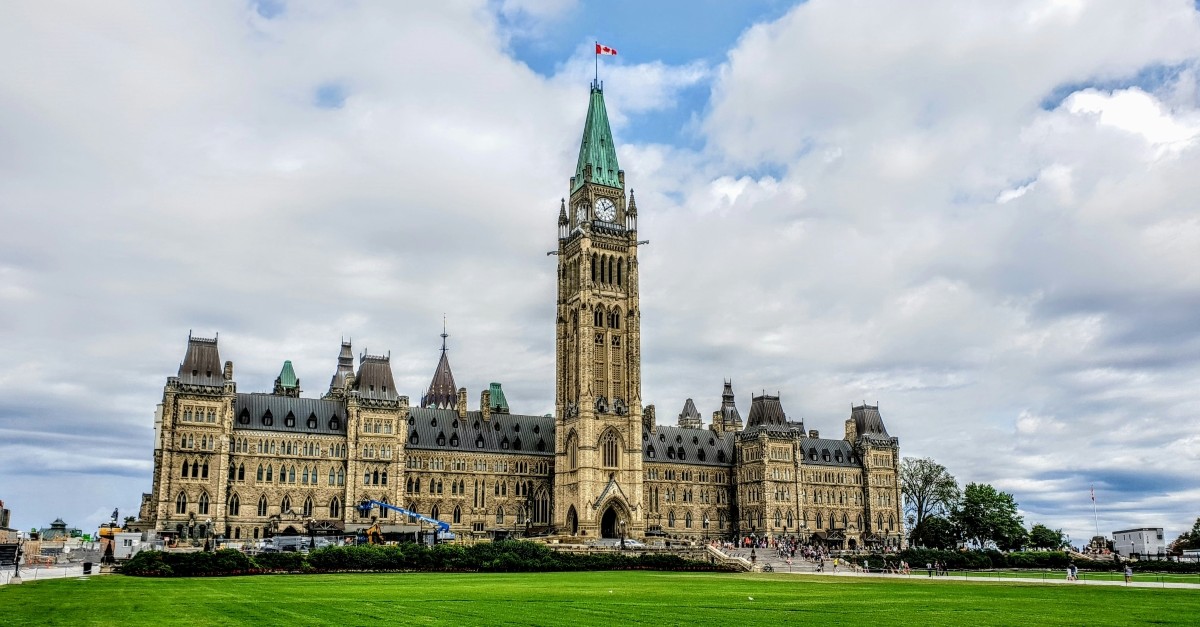
For water leaders, the message in Budget 2025 is clear: the path to economic growth and housing affordability are built on a foundation of strong water infrastructure. The federal government has tabled a budget focused heavily on capital investment and productivity, as well as housing-enabling infrastructure. This places water, wastewater, and stormwater management at the forefront of national development. Here is a breakdown of the key commitments in Budget 2025 that water leaders need to know.
Build Communities Strong Fund
The centrepiece of the infrastructure plan is the new Build Communities Strong Fund (BCSF) to be administered by Housing, Infrastructure and Communities Canada (HICC). Replacing and expanding on previous programs, the BCSF commits $51 billion over 10 years, starting in 2026-27. This fund is divided into three critical streams:
- Provincial and Territorial Stream ($17.2 billion): This stream specifically targets housing-enabling infrastructure, with water and wastewater systems explicitly cited as eligible priorities. However, access to these funds comes with new conditions: provinces and territories must agree to cost-match and work to reduce development charges to lower housing construction costs.
- Direct Delivery Stream ($6 billion): This stream will support regionally significant projects, climate adaptation, community infrastructure, and large building retrofits. Proponents of regionally significant projects would need to seek private sector contributions, including private investment leveraged through Canada Infrastructure Bank financing.
- Community Stream ($27.8 billion): The existing Canada Community-Building Fund is being rebranded as the Community Stream. It remains a vital, predictable source of funding for local infrastructure priorities, including drinking water and wastewater treatment upgrades.
Linking water to housing
Budget 2025 establishes a clear link between the housing crisis and the need for infrastructure investment. The government acknowledges that to build millions of new homes, we must simultaneously expand the capacity of our water and wastewater systems.
The Canada Housing Infrastructure Fund is being folded into the new BCSF, which now prioritizes projects that directly unlock housing supply. Municipalities should be prepared to demonstrate how their water and wastewater capital projects enable density and new developments.
Mobilizing capital for net zero water solutions
Budget 2025 introduces measures to accelerate the flow of private capital into sustainable activities — a move that may offer opportunities for the water sector. To help mobilize capital for the transition to net zero emissions, the government has reconfirmed its support for developing made-in-Canada sustainable investment guidelines by the end of 2026. These guidelines will identify what qualifies as a “green” or “transition” investment. More precise definition may make it easier for utilities to pitch sustainable projects — such as biogas recovery systems or energy-efficient treatment upgrades — to private lenders and investors.
Renewed commitment to addressing infrastructure gaps in Indigenous communities
Budget 2025 reaffirms the federal commitment to closing the infrastructure gap in Indigenous communities. The Canada Infrastructure Bank’s (CIB) target for investments in Indigenous infrastructure has been raised from $1 billion to $3 billion.
Additionally, the budget proposes $2.3 billion over three years, starting in 2026-2027, to renew the First Nations Water and Wastewater Enhanced Program. This funding aims to end remaining long-term drinking water advisories and prevent short-term advisories from becoming long-term by upgrading at-risk systems.
The path forward
Budget 2025 signals a shift in federal strategy from “spending” to “investing.” The funding announced in the budget is substantial, but it is tied to specific outcomes: housing growth, economic productivity, and climate resilience. These resources will be available to growing municipalities. However, for those municipalities that are not experiencing growth, this vital source of funding may not be accessible; this will make their ‘slow growth’ or ‘no growth’ situation even more financially challenging.