What’s new in Canada’s drinking water quality guidelines?
June 24, 2026
CWN’s quarterly newsletter with the latest news, insights, and thought leadership.
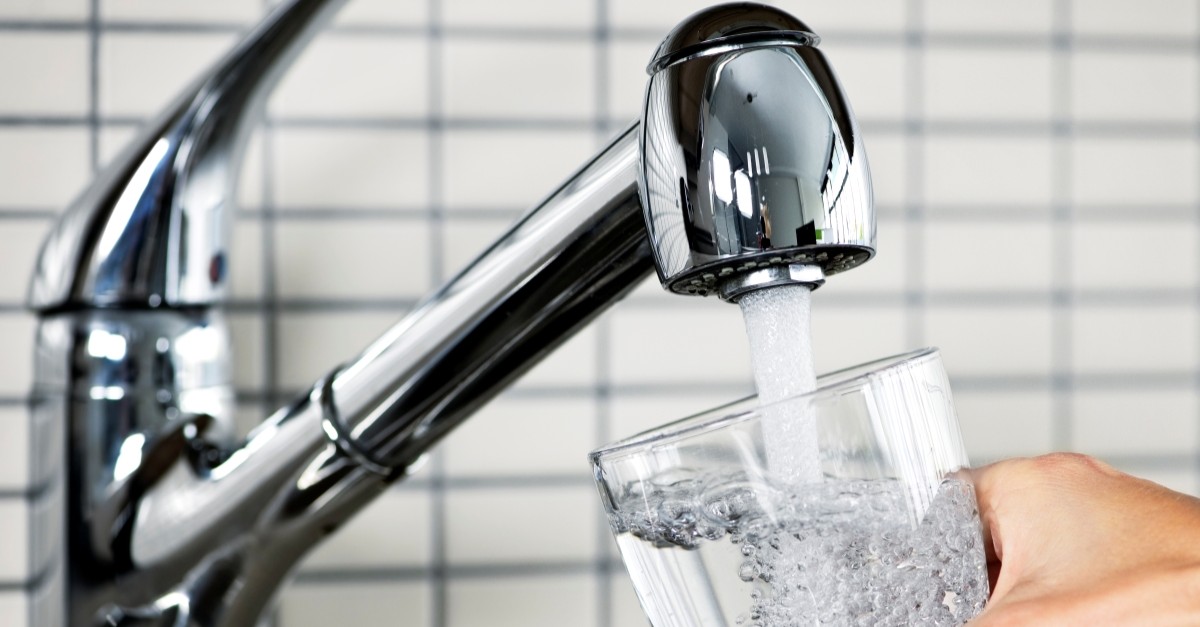
Safe drinking water is a shared responsibility. Protecting it — from source to tap — requires coordinated efforts across governments, water system operators, industry, and individuals.
Health Canada’s Water Quality Program leads the scientific work behind the Guidelines for Canadian Drinking Water Quality, developed in collaboration with provinces, territories, and federal partners. These guidelines are used across Canada and form the basis for drinking water requirements in all jurisdictions.
Guidelines are continuously updated to reflect new science and emerging risks. Each proposed guideline is released for a 60‑day public comment period, providing an opportunity for input from stakeholders. You can sign up to receive consultation notices through the Consultation and Stakeholder Information Management System by selecting “drinking water quality” as your area of interest.
Over the past 18 months, the Water Quality Program has reviewed priorities for future guideline development and will be updating its website this summer.
Looking ahead to 2026–2027, upcoming work includes:
- Final or updated guidelines for key contaminants such as arsenic and asbestos, and disinfection by-products, including trihalomethanes, haloacetic acids, and chlorate/chlorite.
- Public consultations on draft updates for fluoride, enteric protozoa, and trichloroethylene.
- New guidance on managing risks in premise plumbing.