Bioresources Management Toolkit
Canadian Water Network (CWN) — October 2026
Developed through a Strategic Sharing Group of CWN’s Municipal Water Consortium, this Bioresources Management Toolkit brings together a collection of case studies and knowledge briefs that explore key challenges, emerging issues, and practical approaches in bioresources management. Drawing on experiences shared by municipal practitioners and subject matter experts, the resources examine topics including biosolids management, adaptive planning, stakeholder engagement, and emerging contaminants. Together, they provide real-world insights, lessons learned, and promising practices to support informed decision-making in municipalities across Canada.
The objectives of the Bioresources Management Toolkit are to:
- Capture key lessons, experiences, and perspectives shared by municipal water utilities and subject matter experts on emerging challenges, opportunities, and approaches in bioresources management.
- Guide and support municipal bioresources management planning and decision-making by sharing practical insights, case studies, and lessons learned from municipalities across Canada.
Adaptive planning for bioresources: Lessons and perspectives from practice
This brief summarizes key lessons and perspectives shared during that session, drawing on the company’s experience supporting utilities in developing adaptive bioresources strategies. While grounded in practical project work, the insights reflect not only project-based learning but also wider shifts in how the sector is responding to increasing complexity and uncertainty.

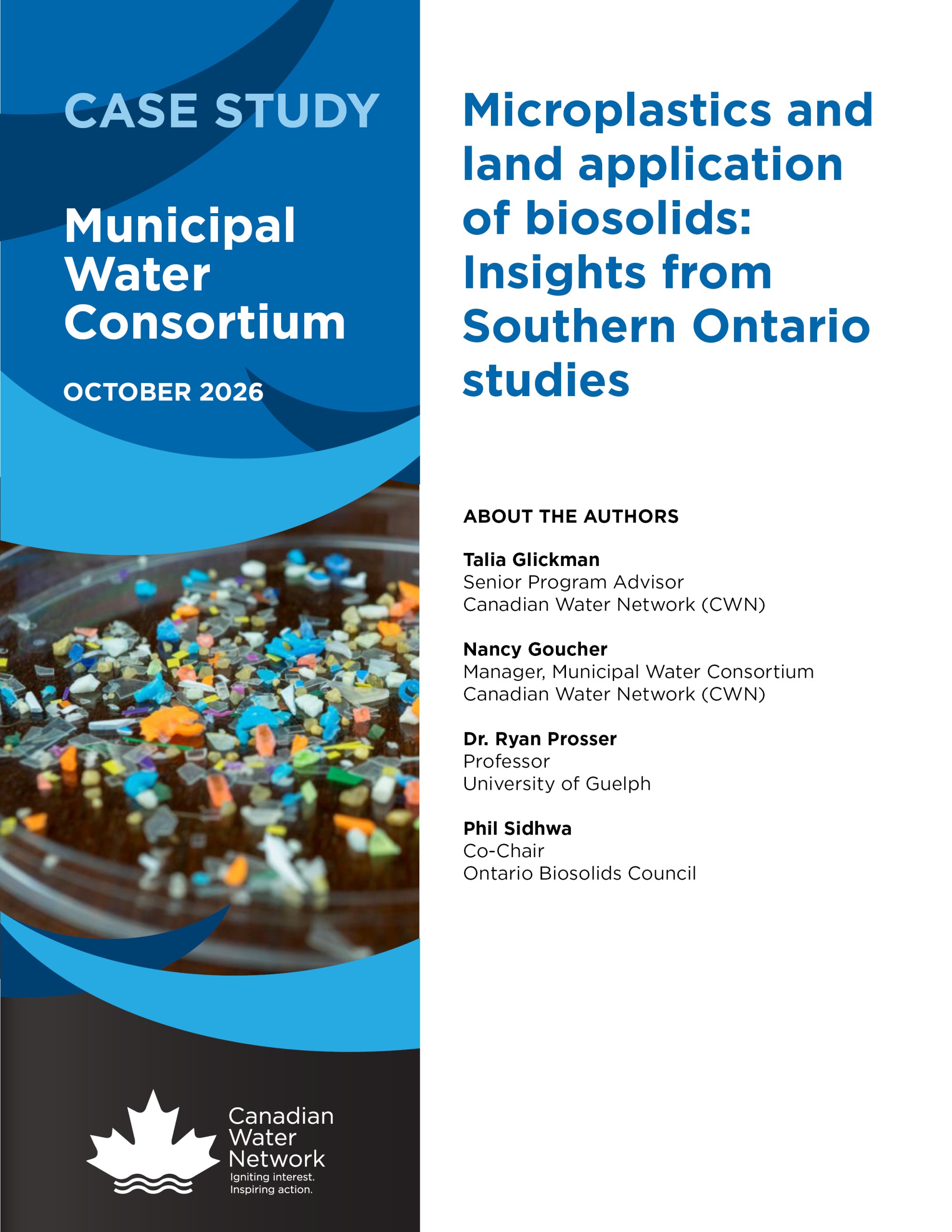
Microplastics and land application of biosolids: Insights from Southern Ontario studies
This brief synthesizes key findings from a series of studies led by Dr. Ryan Prosser at the University of Guelph on microplastics in Ontario biosolids, agricultural soils, and earthworms. Although it is not a comprehensive review of all available research on this topic, it incorporates relevant supporting literature to contextualize these findings and assess their implications for municipal biosolids management in Ontario.