Navigating Risk from Coast to Coast
2025 Annual Report
2025 was a year of profound and rapid change in Canada. Shifting political and social priorities, economic turbulence from U.S. trade tariffs, rising costs, and labour shortages created a challenging environment for leaders responsible for our essential water services. These pressures underscored the need for adaptability, collaboration, and innovation — values at the heart of CWN’s mission.
Throughout the year, CWN worked alongside municipalities, utilities, public health agencies, Indigenous-led organizations and private‑sector partners to help navigate these challenges and turn them into opportunities for better decision-making.
Across all our work, one theme stood out: collaboration truly moves the needle. Whether it’s tackling infrastructure costs, planning for an uncertain climate future, or protecting public health, CWN continues to bring the right people together to share knowledge, solve problems, and build more resilient water systems for communities across Canada.
Water and Communities
Canada’s communities deliver safe, affordable, and resilient drinking water, wastewater, and stormwater services. Yet municipalities face increasingly complex challenges — from rapid growth and rising costs to emerging contaminants, new regulatory requirements, and climate change. CWN brings together leaders from municipalities, utilities, academia, industry, and water-dependent sectors to collaboratively tackle these complex challenges.
Municipal Water Consortium
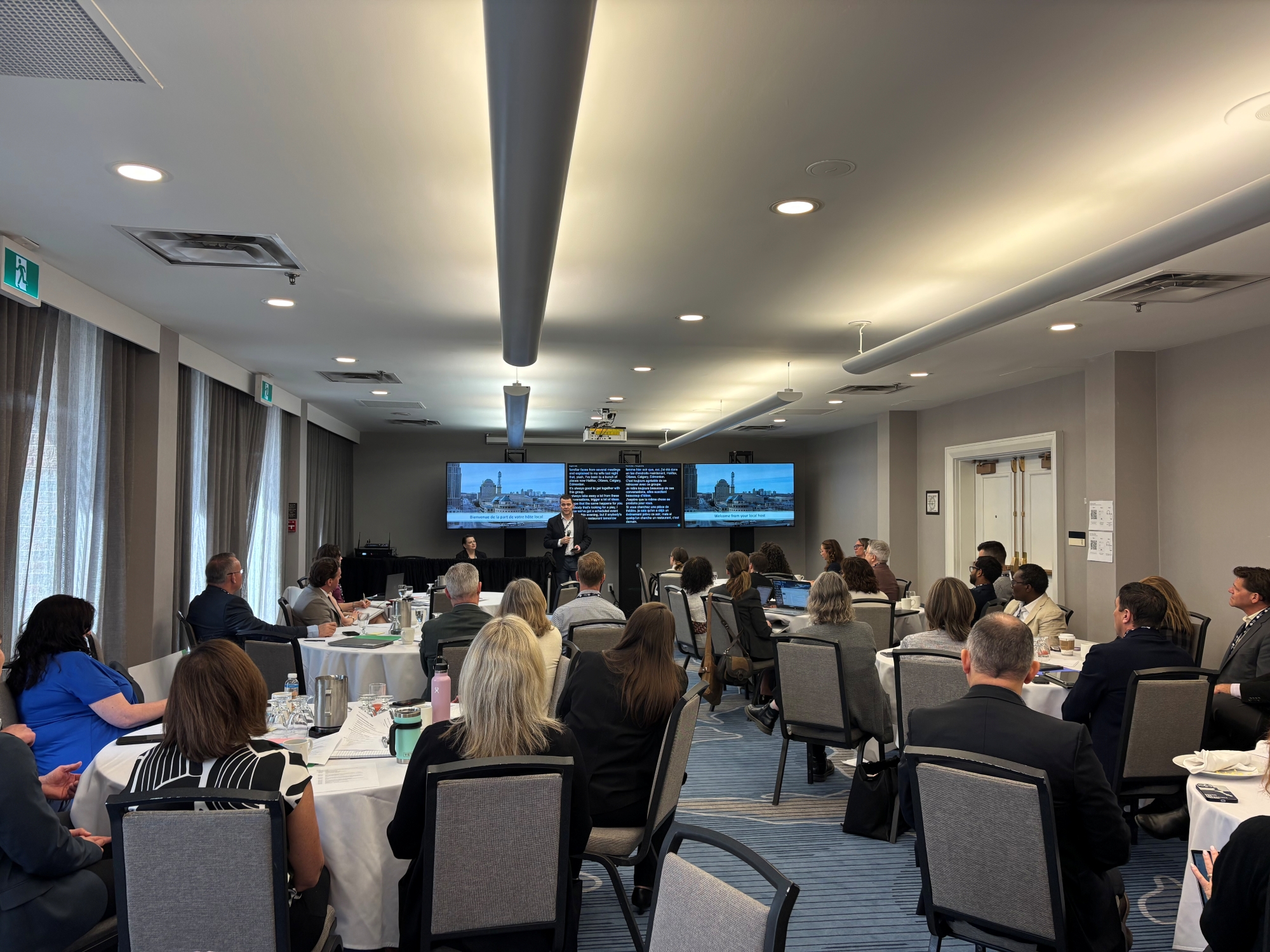
At the heart of our water and communities focus area is the Municipal Water Consortium, which brings together leaders from 26 large municipalities that collectively serve over half of Canada’s population. Through peer-to-peer exchange, curated expertise, and facilitated collaboration, members are equipped to navigate complex challenges and co-create solutions that reflect local realities and national priorities.
Water and Climate
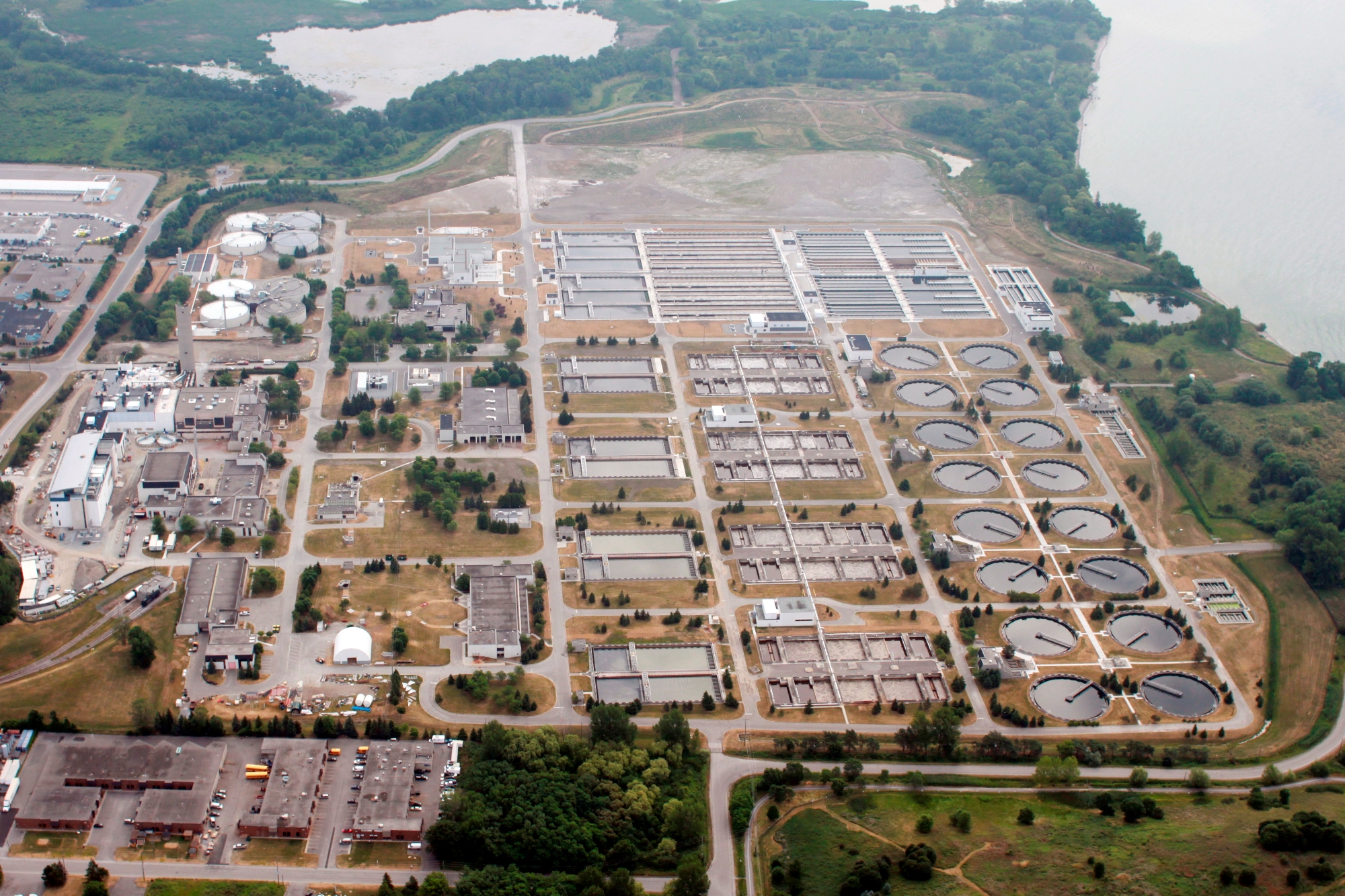
Communities and water-dependent sectors (e.g., agriculture) are facing increasing risks and uncertainties as climate change accelerates. High-intensity rainfall, wildfires, flooding, and drought are disrupting water systems, straining infrastructure and reshaping how we plan for the future.
At the same time, there is an urgent need to reduce GHG emissions. Across Canada, utilities are recognizing significant advantages in embedding climate change mitigation measures into their evaluation frameworks and decision making processes.
These challenges and approaches demand proactive, collaborative solutions — and that’s where CWN plays a critical role.
Water and Health
Water is a powerful lens for understanding and protecting environmental and community health. Advances in detection technologies provide clearer insights into health indicators and contaminants in water and wastewater. Interpreting these findings and acting on them is essential to safeguard public health. CWN works with researchers, public health professionals, utility leaders, and decision-makers to assess risks and interpret findings that guide proactive responses.
Wastewater-based Surveillance (WBS) Program
WBS provides early warning signals for infectious diseases and other health risks. By analyzing wastewater, communities can detect trends before they appear in clinical data. This enables faster, more targeted interventions. To help public health practitioners and provincial agencies use WBS data for decision-making, we continued our partnership with the National Collaborating Centre for Infectious Diseases.

More Highlights from 2025
In addition to the work undertaken in our three programs, we:
- Hosted Blue Cities 2025, Canada’s premier water conference for decision-makers. The conference, which attracted 200 participants, focused on risk management and featured CWN’s inaugural Water Leaders Awards.
- Embarked on our first year in the Partnership Accreditation in Indigenous Relations (PAIR) program, which formalized our commitment to reconciliation and inclusive engagement.
- Achieved charitable status for the Canadian Water Network Foundation, which will create new opportunities to deliver activities that generate public benefit and impact.
More information about each of these activities is available in our annual report.